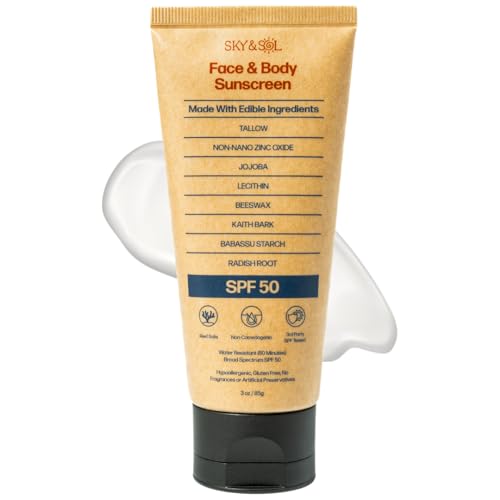
How to Choose and Use Sunscreens Effectively
Selecting the right sunscreen is crucial for protecting your skin from harmful sun exposure and preventing long-term damage. Understanding what to look for and how to apply it correctly can make all the difference.
Understanding SPF and Broad Spectrum Protection
The SPF, or Sun Protection Factor, indicates the level of protection against UVB rays, which are the primary cause of sunburn. The higher the SPF, the greater the protection.
Broad spectrum sunscreens protect against both UVA and UVB rays. UVA rays can prematurely age your skin, causing wrinkles and age spots, while UVB rays can burn your skin. A broad spectrum label ensures comprehensive protection.
Choosing the Right Formulation for Your Skin Type
Sunscreens come in various formulations including lotions, creams, gels, and sprays. Your choice should depend on your skin type and activities. For example, cream-based sunscreens are often recommended for dry skin, whereas gels are suitable for oily skin.
If you have sensitive skin, look for sunscreens labeled as hypoallergenic or specifically designed for sensitive skin to minimize the risk of irritation.
Water Resistance and Reapplication
While some sunscreens offer water resistance, which is useful during swimming or intense exercise, it's important to note they are not waterproof. Reapplication is necessary after swimming, sweating, or towel drying.
Read the label to determine how long the sunscreen will last during water exposure, typically either 40 or 80 minutes, to ensure continued protection.
Application Tips for Effective Protection
Apply sunscreen generously and evenly on all exposed skin areas. Don’t forget often missed spots like the ears, back of the neck, and tops of feet.
For best results, apply sunscreen 15 to 30 minutes before going outdoors to give it time to absorb and provide adequate protection.
Common Mistakes to Avoid
One common mistake is using sunscreen only on sunny days. UV rays penetrate clouds, so sun protection is essential even on overcast days.
Using expired sunscreen might not offer the protection it claims. Check the expiration date regularly and replace sunscreen as needed to ensure effectiveness.